At IBOGA PLANT FORUM, this page provides an introduction to Iboga, its botanical identity, cultural and traditional context, connection to Cameroon, and the knowledge surrounding ibogaine.
Explore the About IBOGA PLANT FORUM page to learn more about our approach to Iboga, traditional knowledge, research, and the Cameroon perspective.
What Is Iboga?
Iboga refers to Tabernanthe iboga, a shrub native to the rainforests of Central Africa and a member of the Apocynaceae family.
The plant has a long-standing place in the cultural and traditional knowledge of communities in Central Africa, and has also become the subject of botanical, historical, and scientific interest beyond the region.
Tabernanthe iboga & Botanical Identity
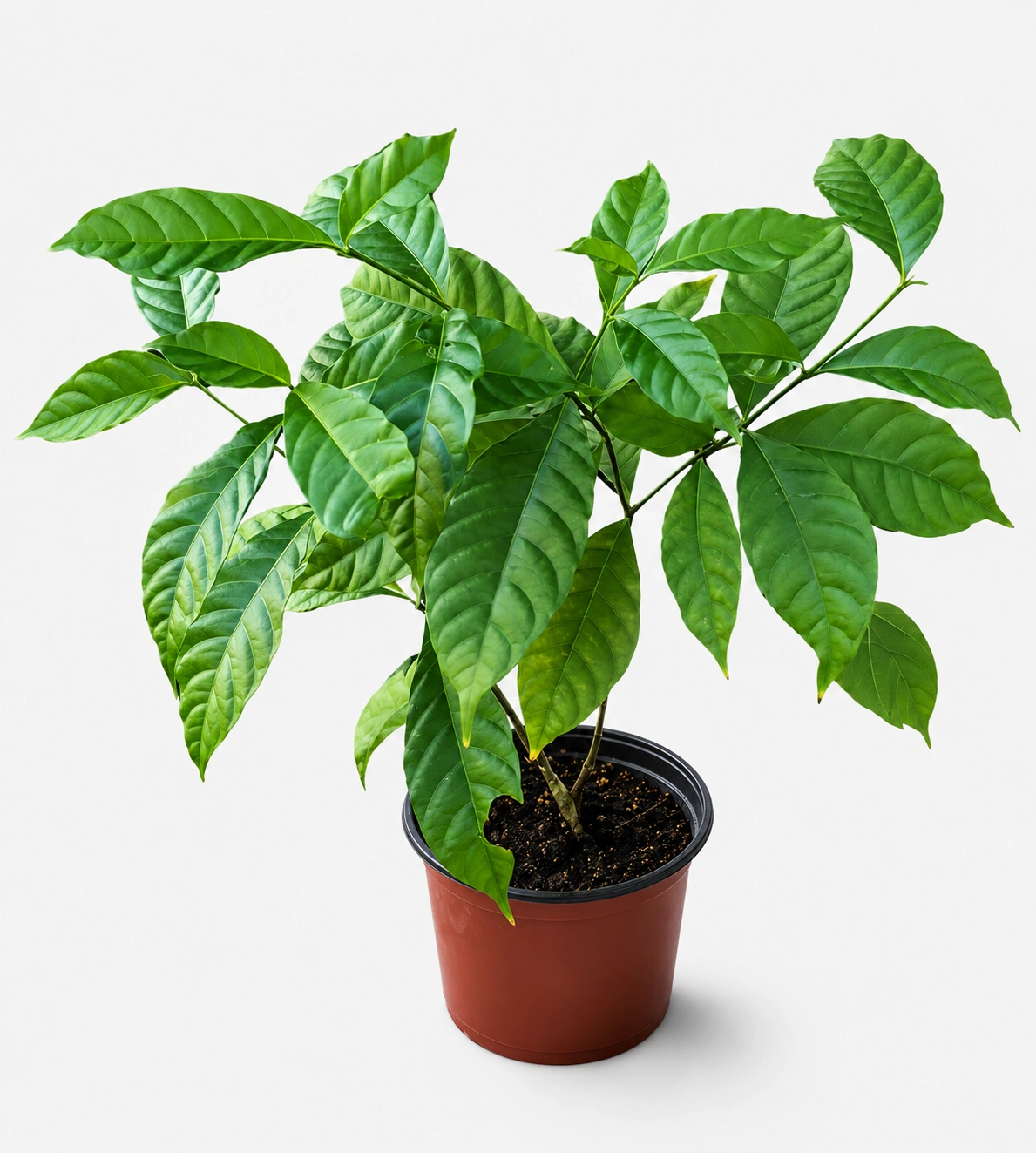
Tabernanthe iboga is a shrub of the Apocynaceae family that occurs naturally in the tropical forests of Central Africa. When people refer to Iboga as a plant, they are referring to this botanical species.
The plant is adapted to the rainforest environment and is recognised by its evergreen growth, leaves, flowers, and fruit. Its natural distribution places it within the forest ecosystems of Central Africa, where the plant forms part of a wider tropical botanical environment.
The name "Iboga" can be used in different ways in modern conversation, including discussions of traditional practices, plant material, and ibogaine. In botanical terms, however, Tabernanthe iboga identifies the plant itself.
Iboga in Traditional & Cultural Context
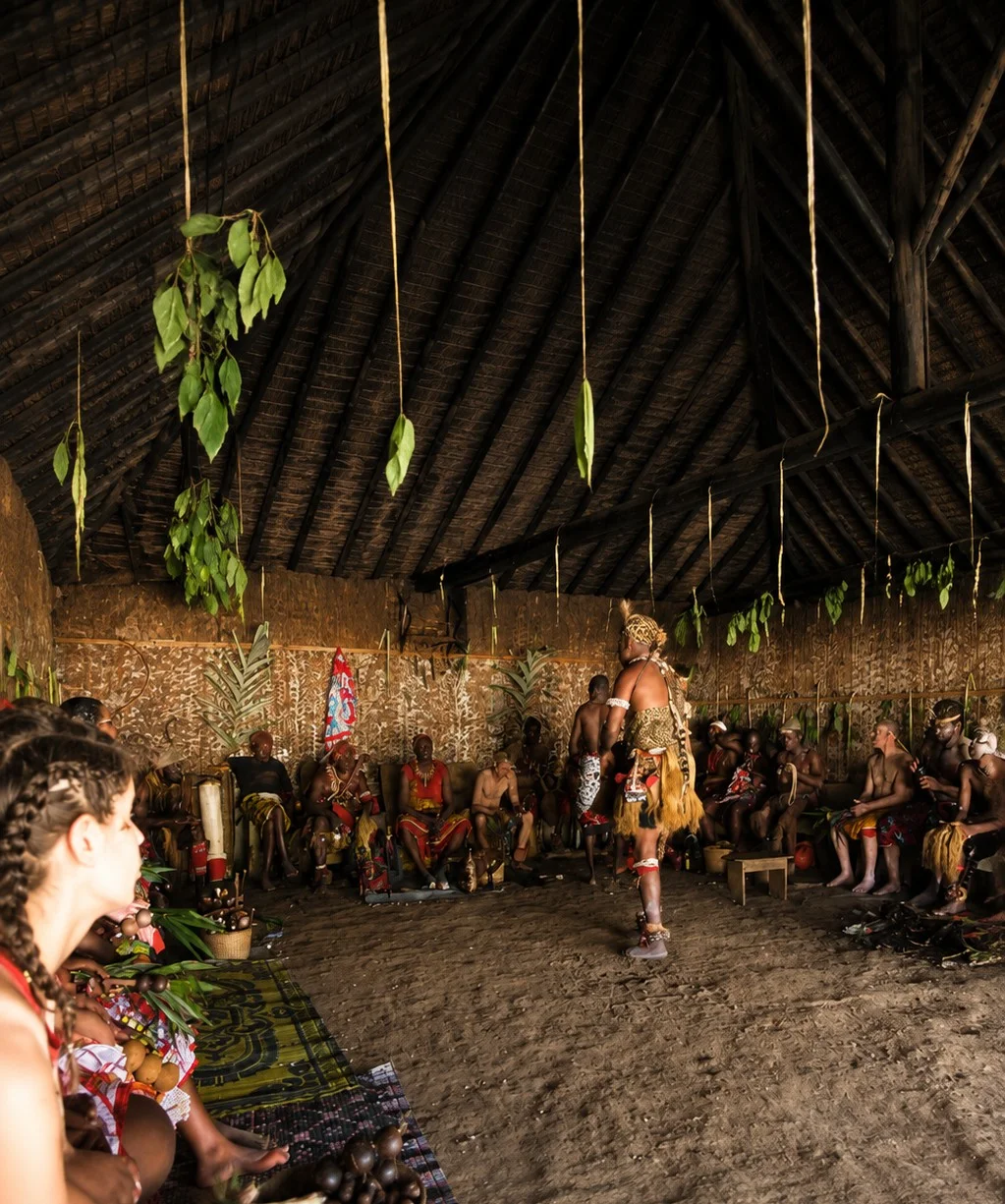
Iboga has a long history within traditional and cultural contexts in Central Africa. Its meaning and use are connected to systems of knowledge, spiritual beliefs, community practices, and traditions that have developed across different peoples and regions.
Within traditions where Iboga holds spiritual significance, it may be associated with ancestors, initiation, spiritual experience, community, and the transmission of traditional knowledge. These understandings belong to the traditions and communities in which they are held and should not be presented as scientifically established facts.
Bwiti is one important cultural and spiritual tradition associated with Iboga, particularly in parts of Central Africa. However, traditional relationships with Iboga are not identical across all peoples, regions, or lineages.
Understanding Iboga therefore requires attention to the communities and traditions that have carried knowledge of the plant over generations, rather than viewing it only through modern psychedelic or scientific discussion.
Iboga in Cameroon
Cameroon forms part of the wider Central African region where Iboga occurs naturally and has long been known through local plant knowledge and traditional practices. Its relationship with Iboga is also closely connected to the wider forest region shared with neighbouring countries, including Gabon.
The Cameroonian context is not simply a continuation of the better-documented Bwiti traditions of Gabon. Different peoples and communities have their own relationships with Iboga, and traditional knowledge in Cameroon is not assumed to follow the same forms or practices found across the border.
Within Cameroon, the Baka are among the Indigenous forest peoples whose traditional knowledge is closely connected with the plants and natural resources of the southeastern rainforest. The Baka are a semi-nomadic hunter-gatherer people whose ancestral territory extends across parts of Cameroon, Gabon, and the Republic of Congo. Their relationship with the forest includes extensive knowledge of plants used for food, medicine, materials, and other aspects of community life. This broader tradition of forest knowledge is important when considering the place of Iboga within Cameroon's Indigenous and traditional plant culture.
At the same time, Iboga in Cameroon is no longer a subject encountered only within local communities.It has also attracted interest from outside the region. Foreign visitors have sought retreat environments, traditional remedies, and opportunities to learn from experienced local practitioners, including around Douala. This contemporary interest exists alongside the country's own traditional knowledge and cultural relationship with Iboga, creating a meeting point between local plant practices and growing international attention.
Cameroon and Gabon also share a complicated regional history around Iboga, including different understandings of where particular traditions began and how knowledge of the plant travelled.
The legal and regulatory position surrounding Iboga in Cameroon is likewise an area that requires care. Unlike neighboring Gabon which classifies iboga as a national strategic heritage, Engaging in cross-Border trafficking and unauthorized commercial or unlawful harvesting can intersect with general forestry, environmental protection, or customs enforcement laws.
Cameroon belongs to a living regional context in which Iboga, traditional plant knowledge, neighbouring traditions, and growing international interest meet. Understanding that context is an important part of understanding the plant itself. This regional perspective is also important to the way IBOGA PLANT FORUM approaches the subject, with attention to the plant, the communities connected to it, and the different forms of knowledge surrounding it.
Iboga Root Bark, Alkaloids & Ibogaine
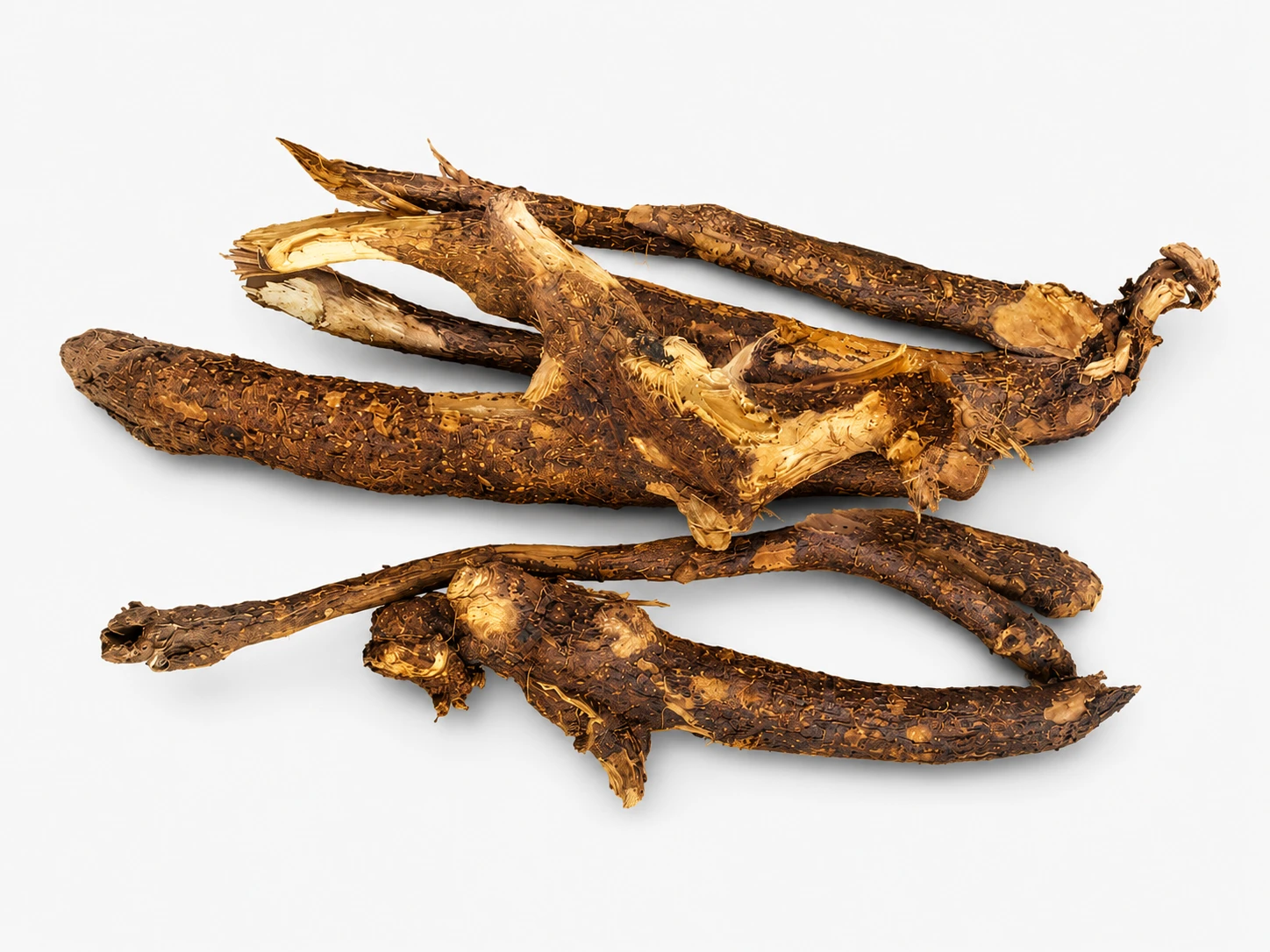
Iboga root bark refers to the bark taken from the roots of Tabernanthe iboga. The root is particularly significant in traditional knowledge surrounding the plant and is also the part most closely associated with the alkaloids that have attracted modern scientific interest.
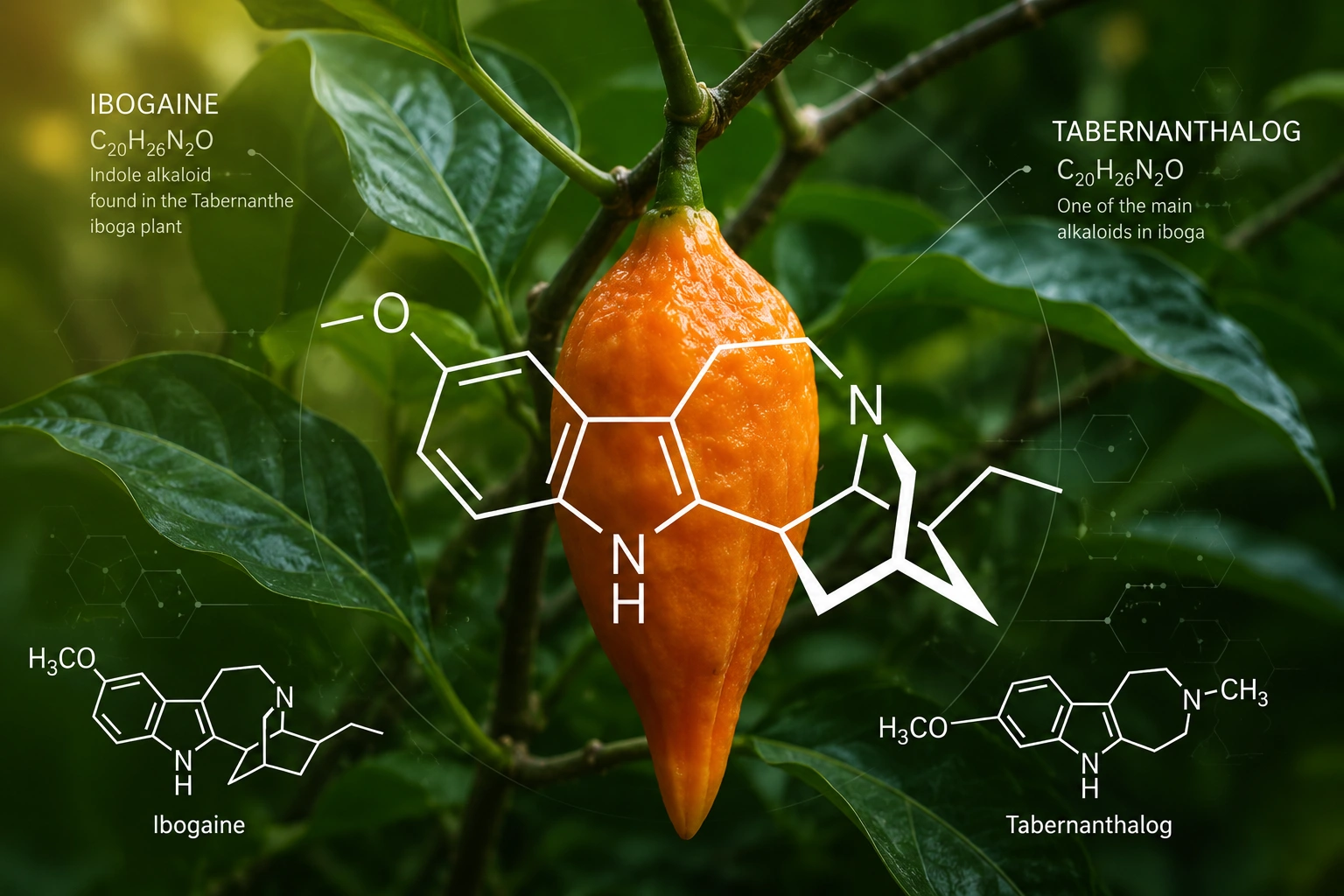
Iboga contains a number of naturally occurring indole alkaloids. Ibogaine is one of the principal alkaloids associated with the plant and has become the subject of extensive pharmacological and clinical research.
It is important to distinguish whole Iboga root bark from purified ibogaine. Root bark is a complex plant material containing multiple naturally occurring compounds, while purified ibogaine refers to an isolated chemical substance.
Different Forms of Iboga-Related Material
In contemporary discussion, Iboga-related material may be encountered in several forms, including raw root bark, powdered root bark, and purified ibogaine, including ibogaine hydrochloride (HCl). These forms differ substantially in their composition.
Root Age and Traditional Observation
People with experience in traditional Iboga practice place importance on the age of the plant and the maturity of its roots. Older plants may be deliberately sought after, and some practitioners regard older root material as stronger or more developed.
Iboga is a long-lived perennial rainforest plant that can grow for several decades, including 40 years or more under suitable conditions. With its root system becoming increasingly established as the plant ages. Its long lifecycle is one reason mature plants have particular importance in cultivation and traditional practice.
Bitterness of Iboga Root Bark
Genuine Iboga root bark is characteristically very bitter. People familiar with the plant may recognise this bitterness as one of its characteristic sensory qualities when encountering the natural material.
Bitterness, however, is better understood as a characteristic associated with the plant material rather than a reliable measurement of its chemical composition.
Ibogaine and Ibogaine Hydrochloride
Ibogaine can also exist as a purified chemical compound, most commonly encountered as ibogaine hydrochloride (HCl). Ibogaine is the alkaloid 12-methoxyibogamine.
Ibogaine hydrochloride is the hydrochloride salt of ibogaine. Its formula can be written as:
Unlike whole Iboga root bark, which contains a mixture of naturally occurring alkaloids, ibogaine HCl is a purified form of a single principal alkaloid.
Safety, Legal & Responsible Understanding
Understanding Iboga also means understanding that the plant, its root bark, and purified ibogaine are not interchangeable. They can differ in chemical composition, effects, risks.
Iboga and ibogaine have attracted scientific interest, including research into their effects on the nervous system and their potential therapeutic applications. Research interest, however, is not to be confused with established medical approval or with a guarantee of safety or effectiveness.
Safety is particularly important because ibogaine has been associated with serious cardiovascular risks in some circumstances. Individual health factors, medications, substances, and other conditions may affect risk, which is why medical and scientific information should be considered before drawing conclusions from personal accounts or traditional experience.
The legal position of Iboga and ibogaine also differs between countries and may depend on the particular substance, form, possession, use, or activity involved. Laws can change, so information about legality should be checked against current official sources.
This is also an area where traditional knowledge, personal experience, scientific research, and modern commercial interest can easily become mixed together. A responsible understanding keeps these different forms of knowledge distinct while allowing each to be considered on its own terms. This is the approach IBOGA PLANT FORUM seeks to take throughout its educational material: to bring these different perspectives together without treating them as interchangeable.
For further scientific discussion, see the Research section of IBOGA PLANT FORUM. For community perspectives and lived experiences, visit the Community section.
Information on this page is educational and is not a substitute for qualified medical, legal, or professional advice.
Continue Exploring IBOGA PLANT FORUM
Explore more of IBOGA PLANT FORUM through our About page , Research section , and Community .
You can also explore our Products section for botanical materials and cultural products presented by the forum.